As much as my love for trekking conquers anything and everything, it’s always a daunting step to ensure that we are embarking on a well-prepared and planned trek whether it be emotional, physical or itinerary-based. As a rookie trekker, I used to depend highly on my guides to prepare my itinerary and my coach to help me work through my fitness regimes. However, in the near past, I am proud that my knowledge and skills in preparing have evolved with the help of my guides and coaches.
Breaking it down, I do not partake in large-scale prepping/ packing when it comes to treks, however, I do ensure that I along with my family are physically well-equipped to withstand the obstacles we might face. Some of the very needed segments to focus on are as below,


Harsh climates and high altitudes,
As much as they are common across numerous treks, it’s important to specifically research the climate patterns and changes each trek location encompasses along with the extremity of altitudes one might face. Personally, although I have gone on more treks than my son Ayaan, I still shiver and might not withstand most of the extreme colds. However, as shocking as it has been, I’m happy to see that Ayaan has completely adapted himself to the changing climates. However, it’s always important to have the necessary medications to tackle altitude sickness or headaches if and when faced.

Mastering agility,
As the title goes, mastering anything will take time and commitment. To be able to move quickly and easily through the trails does offer a sense of accomplishment and relaxation. Building your agility is not as simple as indulging in a few high-end fitness regimes just before a trek. It needs constant, slow and long-term commitment. While I tend to keep my regular routines under control, I do indulge in planned-out high-end regimes for months before the trek. This helps me not to give up on my daily routines and yet build the needed stamina.
Hydration and safety measures,
High altitudes often create a sensation of not wanting to consume water, however, it is highly important to keep yourself hydrated and fit throughout the journey. Throughout my past treks, I’ve seen people of all ages even above 60 partake in it. Hence health and hydration concerns are extremely dynamic and will vary with persons. As for safety measures, though anyone who embarks on these treks would be equipped with suitable gear it is vital to know basic first-aid skills and carry a comprehensive first-aid kit to address minor injuries or emergencies.

[https://www.osprey.com/media/wysiwyg/OS-3085-bg-backpacking-packs-mobile-2x_3.jpg]
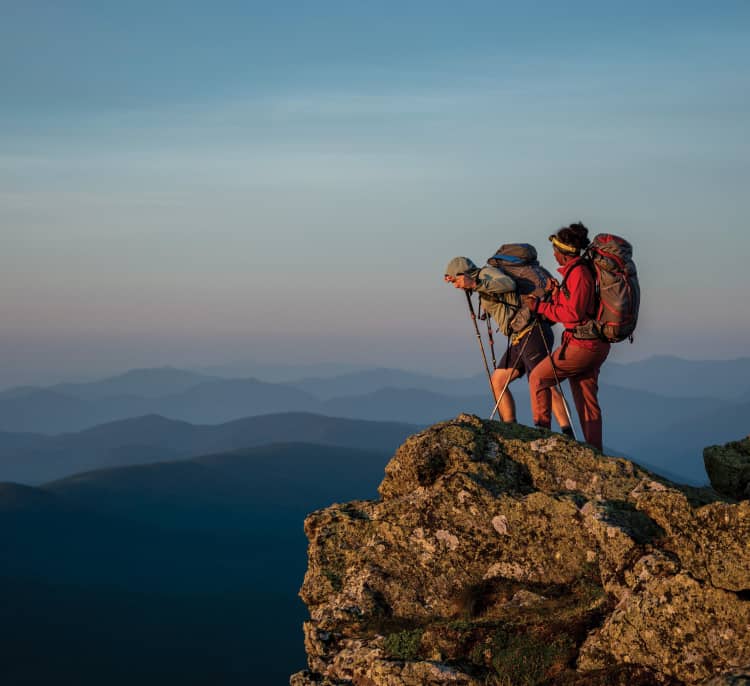
Preparing for a trek isn’t just a physical endeavour; it’s a mental readiness too. Knowing that one has either personally made sure to check every aspect or has assigned a professional to look over the details, often provides a sense of calmness which is very needed before a trek.
As a mother, I always ensure that my family’s safety and comfort lies in good hands and personally being a part of the prep has always helped me be at the best of my game.
Leave a Reply